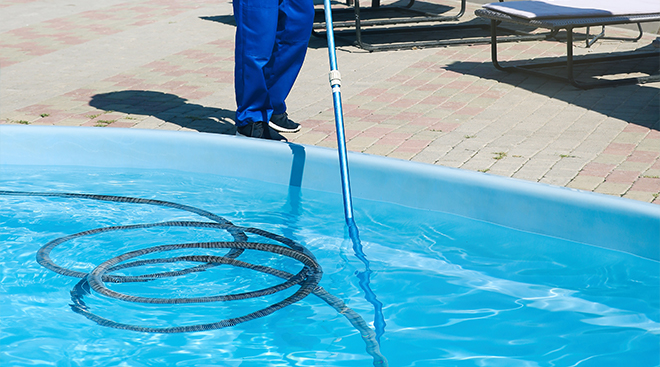
Skipping a weekly pool service feels harmless—until small problems turn into big bills. Water chemistry drifts fast with heat, rain, and heavy use. Miss one visit, and pH, chlorine, and stabilizer fall out of range, setting the stage for algae, scale, and cloudy water. What seems like “saving” one appointment can lead to shock treatments, extra filter cleanings, and even equipment repairs. The truth: prevention is cheaper than rescue.
- Missed tests let small imbalances grow.
- Algae love warm, still, low-chlorine water.
- Filters clog faster when debris sits.
A steady weekly routine keeps things simple, predictable, and affordable—protecting your water, surfaces, and gear before trouble multiplies.
Water Chemistry Basics
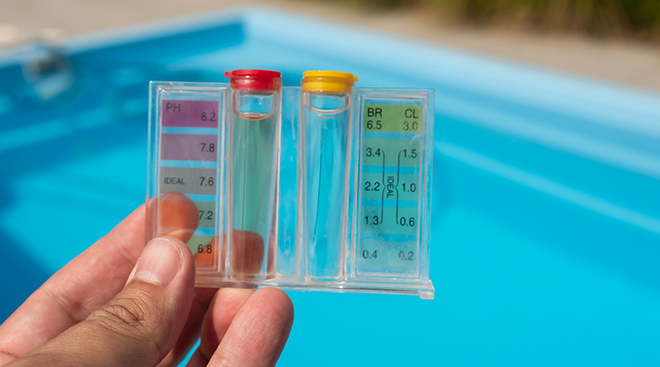
Healthy pools live inside tight targets: pH 7.2–7.8, free chlorine 1–3 ppm, total alkalinity 80–120 ppm, calcium hardness 200–400 ppm, and cyanuric acid (stabilizer) 30–50 ppm for most chlorine pools. These numbers aren’t “nice to have”—they control comfort, clarity, and corrosion. Let pH climb, and scale forms. Let it drop, and metal parts can corrode. Low chlorine, even for a day, can invite a bloom.
- Sunlight burns off chlorine without a proper stabilizer.
- Heavy rain can dilute chemicals overnight.
- Warm water speeds up chemical reactions.
Weekly service keeps these moving parts in balance, so your sanitizer works and your pool stays clear and safe.
How Algae Explodes
Algae can double in hours under summer sun. A slightly low chlorine level on Friday can become a green tint by Sunday, and a swamp by Tuesday. Clearing a bloom often needs a high-dose shock, algaecide, and brushing, plus long pump run times—costs that dwarf a routine visit. Each day you wait, the dose and labor go up.
- Green algae coats walls quickly.
- Mustard algae hide in shaded spots.
- Black algae roots into plaster.
Once algae grabs hold, filters load with fine particles, pressure rises, and backwashing or deep cleanings become necessary. Weekly care kills spores early and keeps surfaces smooth and easy to brush.
Filter and Pump Strain
Your filter is the kidney of the pool. Dirt, pollen, sunscreen, and fine dust clog media and raise pressure. Most filters need attention when pressure climbs 8–10 psi over the clean baseline. Skip a week, and pressure can spike, cutting flow and stressing the pump. Low flow means poor skimming, weak returns, and dead zones where algae thrives.
- Cartridge filters need periodic rinsing.
- Sand filters need backwashing on schedule.
- DE filters need grids inspected for tears.
Running a pump against a dirty filter can overheat motors and seals. Keeping the system clean each week protects the pump’s lifespan and holds energy use steady.
Scale, Corrosion, and Stains
Water always seeks balance. If pH and calcium hardness run high, calcium scale forms on tiles, heaters, and salt cells. If they run low or pH drops, water can etch plaster and pit metal. The Langelier Saturation Index (LSI) helps pros predict whether water is “hungry” (corrosive) or “overfed” (scaling). Weekly checks keep LSI near zero.
- Scale insulates heater coils, raising gas use.
- Corrosion can eat heater exchangers.
- Metals can stain surfaces in days.
Removing scale often requires acid washing or bead blasting; fixing corrosion may mean parts replacement. Balanced water avoids both extremes, saving surfaces and equipment from slow, costly damage.
Evaporation, Refills, and Costs
Hot, dry, or windy weather can evaporate ¼–½ inch of water per day. Refill water changes chemistry: it may be high in calcium, metals, or contain chloramines, shifting your targets again. Skip service, and you might top off without testing, unknowingly moving pH or hardness the wrong way. Left unchecked, that’s how scale or cloudiness starts.
- Autofills hide small leaks by masking loss.
- High-calcium source water raises hardness.
- City water can alter alkalinity quickly.
Weekly visits catch unusual water loss, check autofill operation, and retune chemistry after refills—preventing creeping problems that only show up weeks later as haze or rough tile.
Health and Safety Risks
Clear water isn’t always safe water. Free chlorine must be present and active to control microbes. Sunlight and warm water reduce chlorine fast, especially without enough stabilizer. A single heavy swim party can overwhelm sanitizer if no follow-up service occurs. Cloudy water also hides hazards like steps and drains, raising safety concerns.
- Low chlorine increases the risk.
- An imbalanced pH can irritate eyes and skin.
- Cloudy water reduces visibility for swimmers.
Weekly testing and record-keeping confirm that chlorine and pH are within safe limits. That routine protects not just the pool—but everyone who uses it.
Energy Use and Run Times
A clean, balanced pool needs fewer pump hours than a stressed one. Algae, debris, and cloudy water force longer run times and higher RPMs on variable-speed pumps. A well-tuned system with clear water often runs efficiently at lower speeds, cutting electricity. Many households can save double-digit percentages by keeping filters clean and hydraulics smooth.
- Dirty filters demand higher RPMs.
- Scale increases the heater and pump workload.
- Clear water needs fewer turnover cycles.
Weekly service keeps pressure low, flow steady, and equipment happy. That means your pump can work smarter, not harder—and your energy bill stays in check.
Salt Systems and Heaters
Salt chlorine generators make chlorine from dissolved salt, but scale on the cell plates cuts output fast. That leads to low sanitizer, even though the cell reads “on.” Gas heaters lose efficiency when scale coats heat exchangers; just 1/32″ of scale can add noticeable fuel use. Missed service allows both problems to grow unnoticed.
- Cell inspections catch early scale.
- Acid washes restore cell output when needed.
- Heater checks spot soot, leaks, and noise.
Weekly care verifies production, cleans cells before buildup hardens, and keeps heaters efficient. That routine prevents expensive surprises like “low chlorine” alarms and premature component replacement.
What Weekly Service Includes
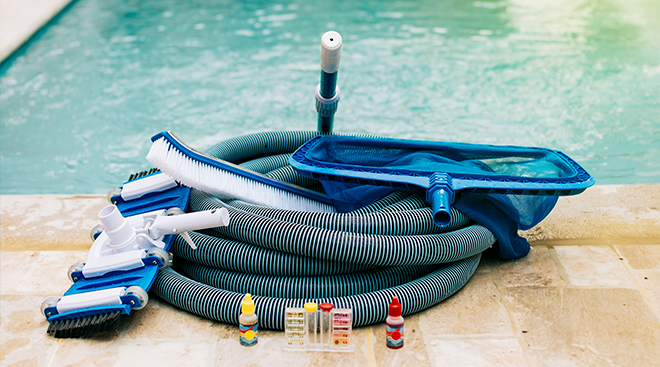
A proper weekly visit isn’t just a quick skim. It’s a checklist: test and balance water, brush walls and steps, empty skimmer and pump baskets, inspect the equipment pad, vacuum as needed, note filter pressure, and log changes. Ten quiet minutes with a test kit can save hours of recovery work later.
- Small fixes today beat big rescues tomorrow.
- Notes and photos build a useful history.
- Consistent care maintains resale appeal.
When every detail receives attention on schedule, your pool stays easy. You enjoy it without guessing, and minor shifts get corrected before they cost time and money.
Real Dollars at Stake
Consider the math. Clearing a green pool can require multiple shocks, algaecide, clarifier, and extended pump time. A severe case might call for filter teardown or even an acid wash. Replastering a damaged surface can run into the thousands. By contrast, regular service fees spread predictable upkeep across the year and avoid “event” spending that hits all at once.
- Prevention stretches plaster and tile life.
- Balanced water protects heaters and cells.
- Clean filters reduce electricity use.
Weekly visits aren’t an extra—they’re a shield for your budget. Small, steady steps keep your pool healthy and your wallet calm.
Conclusion: Pay Less Over Time
Weekly pool service is like oil changes for your car: routine, quick, and far cheaper than repairs. Balanced chemistry stops algae before it starts. Clean filters protect pumps and lower energy use. Regular inspections catch leaks, malfunctioning autofills, and odd noises early. You get clear water, safer swims, and equipment that lasts. If you want fewer surprises and smoother weekends, schedule consistent care and keep it. For reliable help that keeps your pool clear and costs down, reach out to Endless Summer Pool Care LLC—smart maintenance now beats expensive fixes later.