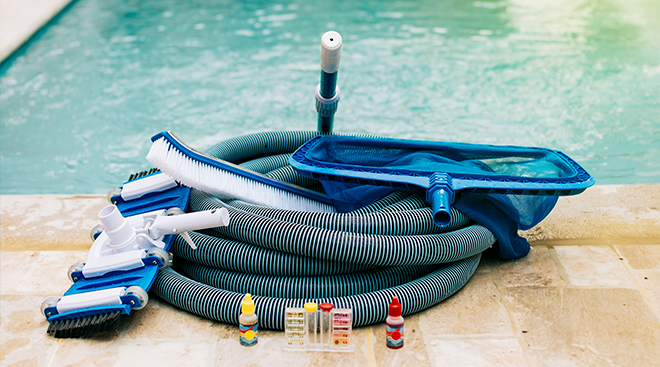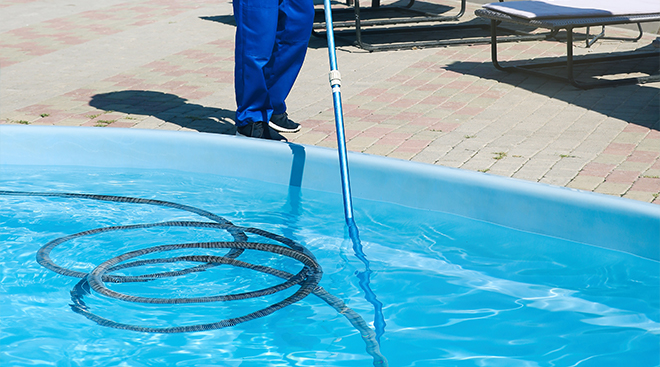
A pool should be relaxing, not a weekly headache. Most problems start with a few small habits that snowball into cloudy water, stains, or equipment trouble. The good news: you can avoid many issues with simple steps and a little consistency. This guide walks through the most common maintenance mistakes and how to fix them before they cost time and money. We’ll use clear numbers—like safe ranges for chlorine, pH, and calcium—so you always know what “good” looks like. With a steady plan, your water stays clear, safe, and swim-ready.
Ignoring Water Chemistry
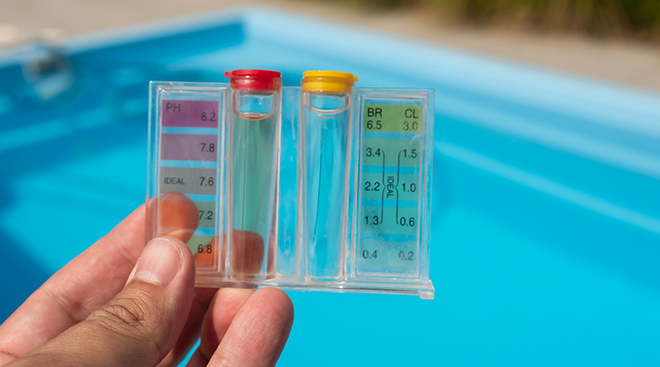
Water chemistry is the foundation. When pH and chlorine drift, everything else struggles. Aim for pH 7.2–7.8; it keeps chlorine effective and protects surfaces. Free chlorine should sit between 1–3 ppm for most pools (3–5 ppm if swimmers are heavy). Total alkalinity buffers pH swings; target 80–120 ppm for plaster and 70–100 ppm for vinyl. These ranges work together to prevent corrosion, scale, and eye irritation.
- pH: 7.2–7.8
- Free chlorine: 1–3 ppm
- Alkalinity: 80–120 ppm
If your pH is low, equipment can corrode. If it’s high, chlorine weakens, and scale forms. Keep a simple log, adjust slowly, and recheck after 24 hours to confirm changes hold.
Skipping Regular Testing
Testing once a month isn’t enough. Sun, rain, leaves, and swimmers change water fast. Most pools need quick tests two to three times per week, and a full panel weekly. Use a reliable drop test or digital meter for pH, free chlorine, and total alkalinity. Strips are fine for daily checks, but verify with a full test kit at least weekly.
- Quick tests: 2–3× weekly
- Full panel: weekly
- Record results: simple notebook or app
Don’t guess—dose based on numbers. A log reveals patterns, like chlorine dips after weekend parties. With steady testing, you adjust earlier, use fewer chemicals, and avoid surprise algae.
Misusing Chlorine Products
Chlorine isn’t one product. Trichlor tablets add chlorine and cyanuric acid (CYA), which is useful outdoors, but they lower the pH. Cal-hypo adds chlorine and calcium, raising pH slightly. Liquid chlorine (sodium hypochlorite) adds no CYA or calcium but degrades in heat. Use the right form for your pool’s needs and rotate to prevent side effects from stacking up.
- Daily feed: tablets or liquid
- Shock: 10× combined chloramines or 5–10 ppm boost
- Store cool, dry, and shaded
Never mix types in one feeder—fire risk is real. If CYA is already high, pause tablets and switch to liquid. If calcium is low, cal-hypo can help while you bring levels back into range.
Forgetting Filter Care
Your filter does heavy lifting and needs regular attention. Cartridge filters should be cleaned when the pressure rises about 8–10 psi over the clean starting point. Sand filters need backwashing at a 20–25% pressure rise, plus media changes every 5–7 years. DE filters require backwashing and recharging with fresh DE powder each time.
- Log clean PSI: baseline after service.
- Clean/backwash: at 8–10 psi rise (cartridge)
- Replace media: per maker schedule
Over-cleaning can be a problem too; a light “dirt cake” actually improves capture. Rinse gently, inspect o-rings, and re-lube. A healthy filter keeps water clear and reduces chemical demand week to week.
Poor Circulation Patterns
Stagnant corners are algae’s favorite spots. Your pump should achieve a full turnover about every 6–8 hours in summer. Aim returns slightly downward to create a gentle spiral that moves surface and deep water. Brush steps, benches, and dead zones to help the filter reach fine debris. Running the pump during hot, sunny hours supports chlorine when it’s working hardest.
- Target turnover: 6–8 hours
- Adjust returns: slight down-angle, circular flow
- Brush: 2–3× weekly in trouble zones
Skimmer baskets and pump baskets need frequent emptying. A basket packed with leaves, slashes flow, and invites cloudy water. Keep the water level mid-skimmer so the system can skim properly.
Overlooking Calcium Balance
Calcium hardness helps protect plaster and equipment. Too low (under ~200 ppm) can dissolve plaster and etch metal parts. Too high (over ~400 ppm) promotes scale on tile lines and salt cells. Use the Langelier Saturation Index (LSI) concept to stay near balanced: pH, alkalinity, temperature, and calcium all affect scale or corrosion risk.
- Target calcium: 200–400 ppm
- Warmer water: more scale risk
- Track LSI: stay near zero balance
If calcium runs high, lower pH and alkalinity slightly, and use regular brushing to disrupt early scale. If it’s low, add calcium chloride in small doses, circulate well, and retest after a full turnover cycle.
Letting CYA Creep Up
Cyanuric acid shields chlorine from sunlight, but too much “locks” chlorine. Outdoor pools usually perform best with CYA at 30–50 ppm (salt pools often 60–80 ppm per manufacturer). If readings climb over 80–90 ppm in a standard chlorine pool, sanitizer works slowly, and algae risk goes up, even if tests show 1–3 ppm chlorine.
- Ideal CYA: 30–50 ppm (standard)
- Salt systems: often 60–80 ppm
- High CYA fix: partial drain/refill
Tablet use is the common cause of creep. Rotate with liquid chlorine to avoid a steady CYA rise. Recheck after rainstorms or refills; big water changes can drop CYA more than you expect.
Waiting On Algae Blooms
Algae can triple in count within a day in warm water. The earliest sign is a dusty hue on steps or a slight green tint. Act fast with a brush, proper shock, and good circulation. Bring free chlorine to “SLAM” level based on CYA charts (for example, ~12 ppm at 30 ppm CYA), run the pump 24 hours, and backwash or clean the filter as pressure rises.
- Brush first: break biofilm.
- Raise chlorine: SLAM level by CYA
- Filter hard: clean/backwash by pressure.
Don’t forget phosphate control if levels are very high; it won’t kill algae, but can limit regrowth. Most blooms clear in 24–72 hours with a firm, measured response.
Neglecting Off-Season Tasks
Out of sight shouldn’t mean out of mind. Before closing, balance pH, alkalinity, and calcium; clean the filter; and lower the water if required in your region. Use a winter algaecide and remove ladders and toys. During the off-season, peek under the cover monthly to check the water level and debris. In mild climates, keep circulation minimal but steady and test weekly.
- Balance first: lock in stability.
- Cover clean and secure.
- Quick monthly checks
Spring openings go smoothly when you handle small issues early. Refill to mid-skimmer, test fully, and correct in steps: pH, alkalinity, then sanitizer. A calm opening week saves you weeks of chasing clarity.
Make Pool Care Simple Pool care isn’t mystery work; it’s a short list followed often. Test a few times a week. Keep pH 7.2–7.8, chlorine 1–3 ppm, alkalinity 80–120 ppm, calcium 200–400 ppm, and CYA 30–50 ppm. Clean baskets, brush hidden corners, and service the filter at the right pressure rise. When numbers drift, adjust gently and retest the next day. If algae hints appear, respond the same day. Want a quicker path to clear, easy water and less guesswork? Get a simple plan, stick to it, and ask for help when needed. For friendly, reliable support, reach out to Endless Summer Pool Care LLC.